
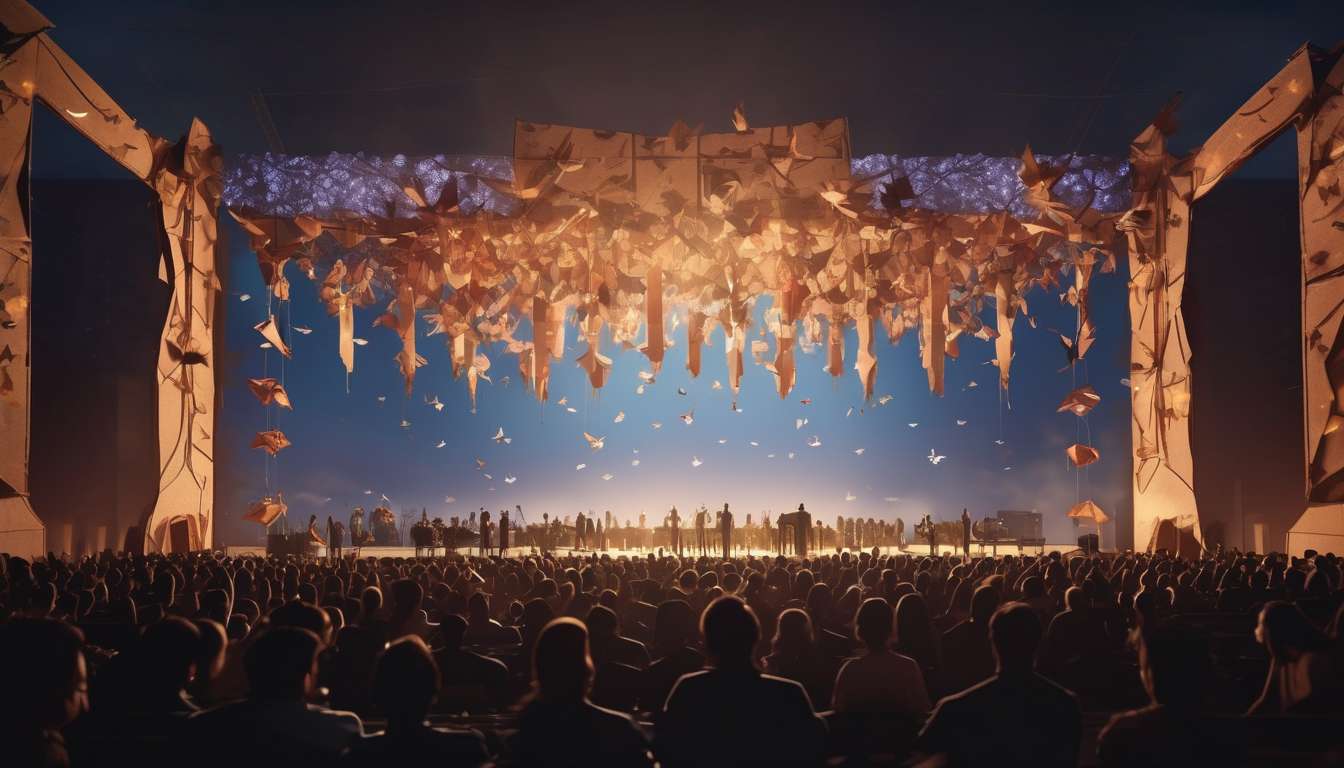
Just as independent coffee roasters and boutique fashion houses have embraced collective action, we are seeing labor representation gain momentum across live entertainment sectors.
We have watched stagehands, touring technicians, venue staff, and freelance artists move from isolated negotiations to coordinated campaigns, recognizing shared leverage in a fragmented industry.
We observe how strategies from adjacent industries—cooperative bargaining, pooled benefits, and decentralized organizing—are being adapted to fit the unique rhythms of tours, festivals, and seasonal productions.
We find common cause in navigating inconsistent gig work, opaque contracting, and the high costs of touring and production.
We are learning from hospitality and creative tech communities how to balance flexibility with security, how to design membership models that respect freelance autonomy, and how to wield public support without sacrificing artist independence.
We will examine how these cross-industry connections reshape power dynamics, the prospects for sustainable careers, and what this means for the future of live performance.
Rising Organizing Trends
In recent years we’ve seen a surge in grassroots organizing across live entertainment.
Workers are using social media, targeted campaigns, and cross-venue solidarity to win recognition and better contracts. This momentum reflects a broad push for fair treatment, steady work, and a stronger voice in decisions that affect livelihoods.
Unionization efforts now reach performers, venue staff, and backstage crews who’d previously worked in isolation.
We’re building networks that mirror the realities of the gig economy while pushing for stability. Through coordinated actions, we demand collective bargaining that addresses:
- pay transparency
- scheduling predictability
- health protections
We prioritize mutual support, skill-sharing, and inclusive organizing.
We share experiences, mentor new organizers, and create spaces where everyone feels welcome to contribute. By aligning across tour routes and local scenes, we amplify pressure on promoters and venue owners to negotiate in good faith.
Our strategy balances immediate wins with long-term institution-building.
This approach ensures short-term gains are reinforced by durable structures so the benefits last. We know solidarity is our strongest asset, and we’re committed to sustaining movements that make live entertainment a place where all of us belong and thrive.
Stagehands and Technicians
Stagehands and technicians keep shows running smoothly.
We’re organizing to secure safer work conditions, predictable hours, and fair pay.
We recognize the challenges:
- Long nights
- Heavy lifts
- Last-minute calls
These conditions can isolate workers, so we’re building a community where everyone’s expertise is valued.
Why unionization?
- It connects disparate crews across productions.
- It gives us collective leverage when safety protocols or equipment standards are at stake.
What we gain through collective bargaining:
- Clear schedules and overtime rules.
- Training opportunities that protect our bodies and careers.
- Standardized safety protocols and equipment requirements.
How we address instability in a gig-driven industry:
- Pooled benefits and portable healthcare to survive between gigs.
- Transparent hiring lists to reduce favoritism and confusion.
- Shared resources and mentorship for newer technicians.
- Pushing promoters to commit to standardized contracts.
By standing united, we turn individual precarity into collective power.
Our goals:
- Ensure every member belongs to a crew that respects skill.
- Enforce safety on the job.
- Secure pay that reflects the value of our work.
Venue Staff Mobilization
Goal: organize venue staff (ushers, box office, custodial, managers) to improve schedules, safety, and consistent pay.
Principles
- Belonging and inclusion. Build spaces where staff feel seen and heard.
- Collective power. Use unionization to turn individual complaints into collective leverage.
- Shared leadership. Center communication, shared leadership, and clear goals.
What we do
-
Share stories and map problems.
- Hold listening sessions to surface recurring issues and priorities.
- Document patterns (scheduling conflicts, safety hazards, pay opacity).
-
Train and build capacity.
- Train peer organizers to recruit and support colleagues.
- Develop leaders across departments so all roles have a voice.
-
Use collective bargaining to win concrete protections.
- Secure predictable shifts so people can plan lives beyond shows.
- Negotiate hazard protections and safety protocols.
- Establish transparent pay scales for consistent compensation.
-
Address gig-economy pressures.
- Push for benefits that cover gaps between events (health, paid time off, unemployment protections).
- Fight worker misclassification to ensure proper rights and benefits.
-
Reinforce trust and mutual support.
- Create mutual aid funds for emergencies.
- Maintain regular communication and accountability mechanisms.
Outcome
- A stable, respected workforce. Move from fragmented roles to a united voice that negotiates respect, safety, and fair compensation for everyone who keeps venues running.
Freelance Artist Strategies
Mission: We organize freelance artists to secure reliable pay, standardized contracts, and pathways to benefits so they can sustain creative careers between bookings.
Networks for support and information:
- We build networks where artists share gig leads, model contracts, and clear pricing guides so no one negotiates alone.
- We cultivate an inclusive culture where every artist’s experience strengthens our leverage, because solidarity makes our negotiations smarter and our careers more sustainable.
Unionization adapted to gig work:
- We push for unionization that recognizes the realities of the gig economy, creating membership options that fit intermittent work and protect contributors across venues and festivals.
- We pursue collective bargaining strategies tailored to project-based schedules, aiming for minimums, timely payment, and portability of benefits like health and pension credits.
Skills and enforcement:
- We train members in contract literacy and rapid dispute resolution, so they can spot predatory terms and enforce agreed rates.
- We lobby promoters to adopt standardized rider clauses.
Financial tools and safety nets:
- We create mutual aid pools and centralized invoicing to smooth cash flow.
Cross-Industry Lessons
We look beyond live entertainment to borrow proven organizing tactics, payment systems, and benefit models from industries that manage intermittent work successfully.
Key industries we study include:
- Transportation
- Film
- Tech freelance sectors
Why these industries: they have used unionization and platform-worker strategies to create steadier incomes and shared protections that can inform live-entertainment solutions.
We adapt outreach methods that have worked elsewhere to make members feel seen and supported.
- Peer-to-peer canvassing
- Digital hubs
- Affinity groups
We study collective bargaining frameworks and translate them into practical campaigns for live-entertainment workers.
- Balance flexibility with enforceable standards
- Tailor campaigns for stagehands, musicians, and crews
We examine gig-economy payment and dispute systems and repurpose their strengths to reduce late or missing pay.
- Micropayments and escrow-style guarantees
- Transparent ledgers for clearer payment tracking
- Dispute-resolution practices adapted for live work contexts
We center inclusion by inviting diverse voices into design and leadership.
- Ensure solutions reflect real lives, not top-down fixes
- Build leadership pathways for historically underrepresented members
By sharing tested tools and rituals from related sectors, we strengthen belonging and build coordinated, realistic paths toward more secure, dignified work across live entertainment.
Bargaining and Benefits
We’ll negotiate concrete contracts and benefit packages that secure steady earnings, reliable schedules, health and retirement coverage, and clear enforcement mechanisms for live-entertainment workers.
We know unionization isn’t just symbolic — it’s a practical tool to give us shared voice and leverage in a fragmented industry.
Through collective bargaining we’ll push for:
- wage floors
- schedule protections
- grievance procedures
- portable benefits that travel with performers, technicians, and venue staff
In the gig economy, many colleagues lack predictable hours or safety nets; we’ll design agreements that address intermittent employment by:
- pro-rating benefits
- guaranteeing paid sick leave
- ensuring retirement contributions tied to earned hours or engagements
We’ll create transparent dispute-resolution systems so members trust the process and feel supported when conflicts arise.
By pooling resources for legal aid, training, and bargaining research, we’ll strengthen every negotiation.
We want contracts that reflect our varied roles while fostering solidarity, so everyone — from road crews to front-of-house teams — has dignity, stability, and a clear path to long-term security.
Touring and Production Costs
We’ll tackle touring and production costs head-on.
Audit common expense drivers, negotiate fair reimbursements, and create cost-sharing models that protect workers without undercutting show quality.
Map out major cost categories so everyone sees where money flows and why adjustments are needed:
- Fuel
- Lodging
- Per-diem
- Load-in/out labor
- Equipment rental
Push for transparent contracts that reflect the realities of the gig economy and ensure freelancers aren’t left absorbing unpredictable expenses.
Use unionization and collective bargaining to secure standardized reimbursement rates, meal allowances, and mileage policies that reduce conflict and churn.
Design scalable cost models for small and large tours that keep crews whole while preserving production values audiences expect.
Build mutual aid provisions and dispute resolution steps so members feel supported during emergencies and disagreements:
- Emergency expense assistance
- Clear claims procedures
- Timely arbitration or mediation pathways
Center shared responsibility and fair pay to strengthen financial resilience and ensure touring remains sustainable, inclusive, and respectful of the people who make live entertainment possible.
Shifts in Power Dynamics
We’re seeing a realignment of power across the industry. Artists, crews, venues, and promoters are pushing for clearer rights, shared decision-making, and more predictable work conditions.
We’re organizing together because we want to belong to a workplace that values our labor and voice. Unionization efforts are rising not as a confrontation but as a framework for mutual respect: we use collective bargaining to set fair pay, schedules, and safety standards that protect touring crews and freelancers alike.
We recognize the pressures of the gig economy. Short-term contracts and variable income have kept many of us isolated.
By building networks and formal representation, we create stability without losing flexibility. We insist on:
- Transparency in contracting
- Equitable revenue splits
- Mechanisms for dispute resolution that include artists and frontline staff
When we negotiate as a community, power shifts from ad hoc decisions by a few to predictable agreements shaped by many. That shared approach strengthens careers, lifts standards across venues, and helps everyone feel seen and supported.
What legal steps should an individual worker take right now if they want to contact a union organizer but fear employer retaliation?
If you want to contact a union organizer but fear retaliation, here’s what to do now.
Document incidents and preserve evidence.
- Keep a written log of dates, times, what happened, and any witnesses.
- Preserve texts, emails, voicemails, photos, and any other records (do not delete).
Learn your rights under labor law.
- Familiarize yourself with basic protections against employer retaliation for organizing or protected concerted activity.
- Ask about timelines for filing unfair labor practice charges where relevant.
Reach out discreetly.
- Use organizer hotlines, union websites, or encrypted email/secure messaging if available.
- Avoid discussing organizing plans using employer devices, accounts, or in employer-monitored spaces.
Ask organizers about confidentiality and legal protections.
- Confirm what confidentiality measures they use and whether they can offer on-the-record or anonymous support.
- Ask about practical steps the union recommends to minimize risk.
If you face threats or retaliation, seek formal help.
- Contact the National Labor Relations Board (NLRB) or your country’s equivalent labor agency to report unfair labor practices.
- Consult a worker-rights attorney or legal aid organization for guidance and possible filing.
Key reminder: Document everything, use secure/discreet channels to communicate, and get legal or agency help promptly if threatened.
How do union dues and initiation fees typically compare across different live-entertainment unions, and what financial assistance exists for new members who can’t afford them?
Typical range and structure of initiation fees
- One-time modest fees: Many local chapters charge a single, relatively small initiation fee (often under $100) to cover administrative onboarding.
- Larger one-time fees: Some unions — especially national or in high-cost markets — may charge several hundred dollars (commonly $100–$500).
- Variable by bargaining unit and role: Fees can differ by craft (stagehands, musicians, actors, stage managers), local chapter, and whether the member is joining as a full member or an apprentice.
How monthly dues typically work
- Dues scale with earnings: Most live-entertainment unions calculate dues as either a flat periodic amount or as a percentage of gross earnings (e.g., 1–2% of paycheck or a fixed monthly amount).
- Minimums and maximums: Some locals set a minimum monthly/quarterly due for active members and sometimes caps or tiers so high earners don’t pay disproportionately.
- Different categories: Expect different dues for active working members, non-working (retired/associate) members, and apprentices or trainees.
Common financial-assistance options for new members who can’t afford fees
- Payment plans: Many unions allow initiation fees to be paid in installments over several months to reduce upfront burden.
- Hardship waivers or reductions: Locals often have policies to waive or reduce fees for members demonstrating financial hardship.
- Apprentice or trainee rates: Reduced initiation fees and lower dues are commonly available for apprentices, interns, or students.
- Emergency or hardship funds: Some unions maintain benevolent funds or emergency assistance programs to help with dues, initiation fees, or crisis-related expenses.
- Deferred payment tied to work: In some arrangements, initiation or dues payments are deferred until the member has earned a certain amount or completed probationary employment.
- Confidential organizer assistance: Union organizers, business agents, or membership clerks typically handle these requests confidentially and can explain local options.
Practical steps to take if you or someone can’t afford fees
- Contact the local union office or organizer confidentially and ask about payment plans, hardship waivers, apprentice rates, or emergency funds.
- Prepare basic documentation of income or hardship if requested (many locals have simple forms).
- Ask whether dues can be collected from paychecks (employer check-off) to spread the cost.
- Inquire about temporary non-working or associate categories that reduce dues until steady work returns.
Key takeaways
- Dues and initiation fees vary widely by craft, local, and market — from small one-time charges to several hundred dollars, and monthly dues often scale with earnings.
- Most unions provide assistance or flexibility (payment plans, reduced apprentice rates, hardship waivers, emergency funds), and union staff can confidentially guide new members through options.
Are there anonymous or confidential ways for freelance artists to join collective bargaining efforts without revealing client lists or proprietary work samples?
Yes — freelancers can participate in bargaining without exposing client lists or proprietary samples.
Options for anonymous participation
- Anonymous surveys run by unions or third parties can collect preferences and support levels without attaching names or identifying details.
- Confidential sign-ups where a trusted organization holds identities privately and only reports aggregated totals.
Using designated representatives
- Designated representatives (union reps or vetted intermediaries) can collect sensitive information privately and negotiate on members’ behalf so individual freelancers never disclose client lists publicly.
Protecting creative work and samples
- Redacted portfolios remove client names and identifying details before sharing.
- NDAs cover any viewing of proprietary samples by negotiators or counter‑parties.
- Aggregated data (e.g., “X% of respondents use license model Y”) communicates trends without revealing individual work.
Secure communication and privacy guarantees
- Secure channels (encrypted email, vetted platforms) should be requested for any exchange of sensitive material.
- Clear privacy promises from organizers or unions should state how identities and materials will be stored, who can access them, and when materials will be destroyed.
Summary
- Freelancers can safely join bargaining through anonymity, trusted intermediaries, redaction/NDAs, aggregated reporting, and secure communications — provided organizers adopt and enforce clear privacy protections.
Conclusion
You’re seeing a clear shift: workers across live entertainment are organizing more, from stagehands and venue staff to freelancers and touring crews.
You’re learning that collective action can win results: better wages, benefits, and safer conditions while changing bargaining power between labor and management.
You’ll need to adapt strategies across sectors:
- Align priorities between different worker groups.
- Account for rising production costs.
- Develop sector-specific tactics (venues, touring crews, freelancers).
If you stay coordinated and pragmatic, you’ll have stronger leverage: you can reshape the industry for long-term fairness.