
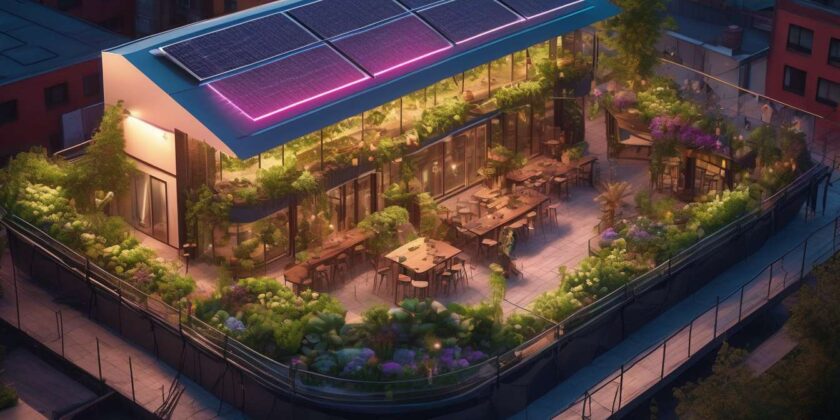
Greening our venues cut energy bills by up to 40% in one year, a statistic that stunned our small community but soon felt inevitable.
We run independent dance spaces where margins are thin, audiences are loyal, and every utility invoice prompts a strategy meeting.
When we swapped incandescent fixtures for LEDs, installed smart thermostats, and negotiated waste-hauling partnerships, savings began to accumulate and our programming choices expanded.
Those measures did more than reduce costs: they improved renter satisfaction, lowered maintenance burdens, and opened doors to grant funding tied to environmental standards.
As we share case studies and practical steps in this article, we draw on our collective experience to show how modest investments can yield measurable returns.
We also address common barriers—upfront costs, landlord restrictions, and technical know-how—and offer scalable solutions.
Together, we can sustain artistic spaces while cutting expenses and strengthening community resilience.
Energy-saving lighting
Swap incandescent and halogen fixtures for LEDs and add simple controls.
- Replace existing incandescent and halogen bulbs with warm-toned LEDs to maintain a welcoming atmosphere.
- Add controls such as dimmers and occupancy sensors to reduce energy use and tailor lighting for events.
Choose warm color temperature and accessible controls.
- Warm-toned LEDs preserve the venue’s inclusive, comfortable feel.
- Flexible controls that support mood settings and accessibility (easy-to-reach switches, tactile feedback, or app/remote options) ensure everyone can participate.
Map lighting zones and install sensors where appropriate.
- Identify zones: stage, bar, lobby, restrooms, etc.
- Install occupancy sensors in intermittent-use areas (restrooms, storage, corridors) to cut wasted energy without requiring staff micromanagement.
Use dimmers and lighting scenes to save energy and extend bulb life.
- Dimmers allow tailored lighting scenes for different events, lowering wattage during quieter moments.
- Reduced run time and lower output extends bulb life and decreases waste.
Budget with incentives and lifecycle savings in mind.
- Include incentives and rebates in cost calculations to lower upfront expenses.
- Estimate lifecycle savings (reduced energy and replacement costs) to demonstrate payback and affordability.
Match electricity use with renewable options to reinforce commitment.
- Explore renewable energy credits (RECs) or local green power programs to offset electricity consumption.
- Pairing efficiency measures with renewables strengthens environmental claims and community messaging.
Outcome: cost savings, smaller footprint, and a welcoming resilient space.
- Lower operating costs, reduced environmental impact, and improved comfort and accessibility align upgrades with the venue’s community values.
Smart climate control
Smart thermostats and zoned controls will keep dancers comfortable while cutting HVAC costs.
We’ll coordinate settings for rehearsal, class, and performance spaces so we’re not heating or cooling empty rooms.
By sharing control schedules and simple app access, everyone feels included in conserving energy and lowering monthly bills.
We’ll use occupancy sensors and real-time monitoring to adapt temperatures when classes run long or events shift, reducing wasted conditioning and supporting waste-reduction goals.
When we spot inefficiencies together, we’ll tweak setpoints and schedules as a team, celebrating small wins that add up.
Integrating demand response and compatible renewables lets us shift loads when our solar or community energy supply is strongest, keeping operations resilient and aligned with our values.
We’ll train staff and volunteers on quick overrides and basic troubleshooting so the system serves the whole crew.
Together, we’ll make smart climate control a practical, shared step toward a greener, more affordable venue.
Efficient equipment upgrades
We’ll prioritize replacing old lighting, sound, and HVAC components with high-efficiency models that cut operating costs and improve performance.
We’ll choose LED stage and house lights, efficient amplifiers, and variable-speed HVAC units that lower energy usage without compromising show quality.
Together we’ll evaluate upfront costs, available rebates, and expected payback so decisions feel practical and fair.
We’ll involve staff and regulars in equipment trials and vendor selection so upgrades reflect our community’s needs.
We’ll document energy efficiency gains and share them with supporters to build trust and encourage donations or volunteer help.
Where feasible, we’ll pair new gear with renewable energy sources—like rooftop solar or community-shared arrays—to lock in lower operating costs and showcase our commitment.
We’ll also plan disposal responsibly:
- Resell or donate functional old gear to recapture value and support other organizations.
- Recycle electronics through certified e-waste programs to minimize environmental impact.
By upgrading thoughtfully and collaboratively, we’ll cut expenses, improve reliability, and strengthen the sense of ownership among everyone who keeps our venue vibrant.
Waste reduction strategies
Goal: Cut trash and costs by reducing single-use items, improving recycling and composting, and rethinking purchasing and backstage workflows.
Actions for staff, performers, and community:
-
Swap disposables for durable items.
- Invite the community to replace disposable cups and cutlery with durable, labeled sets.
- Encourage performers and crew to bring reusable water bottles and gear bags.
-
Streamline backstage supplies.
- Buy less by standardizing and consolidating inventory.
- Prioritize repair over replacement.
- Choose vendors with minimal or recyclable packaging.
Waste collection and diversion:
-
Clear, shared stations.
- Set up recycling and compost stations with prominent signage.
- Use trained volunteers to guide visitors and reduce contamination.
-
Partnerships for diversion.
- Partner with local composting services.
- Work with donation networks to divert costumes, props, and sets from landfills.
Measurement and budgeting:
- Track waste reduction metrics.
- Monitor diversion rates and cost savings.
- Celebrate wins and feed verified savings back into programming budgets.
Strategic benefits:
- Complements energy and renewables work.
- Lowers overall operating costs.
- Demonstrates sustainability as part of the venue’s identity.
- Builds a more welcoming, responsible hub for patrons and the community.
Water-saving measures
Water-use reductions: install low-flow fixtures, fix leaks, and change routines backstage and in restrooms.
- Install low-flow faucets, showerheads, and toilets to cut baseline consumption.
- Repair leaks promptly to avoid ongoing waste.
- Change routines: shorter showers for performers, turn off taps between runs, and use buckets for rapid floor mopping.
Audit usage and track where savings occur.
- Conduct a joint audit of sinks, showers, and irrigation to establish a baseline.
- Track meter readings and usage by location so everyone knows where savings happen.
Encourage small behavioral shifts that reinforce a shared commitment.
- Shorter showers, turning off taps between uses, and quick mop buckets produce measurable reductions.
- When people see the impact, it reinforces collective responsibility and pride.
Pair water measures with broader sustainability goals for coherence.
- Link water savings to energy efficiency and waste reduction so the venue’s sustainability feels integrated, not piecemeal.
- Use these connections to motivate further actions across departments.
Build capacity through training, targets, and shared responsibility.
- Train volunteers and staff so everyone understands their role and how to help.
- Set targets, display progress publicly, and rotate responsibility so maintenance doesn’t fall on one person.
- Celebrate wins as a team when meter readings drop.
Design welcoming, clear, and actionable signage.
- Create restroom and backstage signs that tell people exactly what to do and why it matters.
- Keep messaging positive and community-focused to encourage compliance.
Benefits and next steps.
- Practical choices lower operating costs, extend equipment life, and strengthen the community’s role in sustainability.
- Reserve discussions about renewable energy for the next section.
Renewable energy options
Assess on-site renewable opportunities and storage.
- Inspect roofs and parking areas for solar PV suitability, and evaluate small wind where zoning allows.
- Pair generation with battery storage to smooth evening loads and improve reliability.
Explore community-scale options.
- Join or develop shared solar gardens or community renewable projects to match scale and values.
- Leverage collective purchasing and shared maintenance to lower costs and strengthen community ties.
Combine renewables with energy-efficiency upgrades.
- Implement LED lighting, smart HVAC controls, and stage equipment management to reduce overall generation needs.
- Prioritize measures that are low-cost, high-impact, and compatible with performance schedules.
Plan for maintenance and durability.
- Define clear maintenance routines and service schedules for generation and storage systems.
- Establish trusted vendor partnerships and specify serviceability when procuring equipment to reduce waste from early failures.
Align choices with scalability and community goals.
- Choose scalable, community-friendly solutions that blend on-site generation with grid-sourced renewables.
- Focus on options that cut emissions, reduce operating risk, and build resilience while reflecting the venue’s commitment to sustainable performance spaces.
Funding and incentives
Funding strategy: pursue diverse incentives and community fundraising to cover upfront costs and accelerate sustainability upgrades.
Key funding sources
- Grants (local, state, federal)
- Tax credits
- Utility rebates
- Community fundraising and events
Program identification and pooled applications
- Identify local, state, and federal programs that support energy efficiency, renewable energy, and waste reduction.
- Pool applications and resources to strengthen proposals and increase award likelihood.
Priorities and incentive matching
- Set clear retrofit priorities:
- LED lighting
- Efficient HVAC
- Solar panels
- Composting systems
- Match each priority to the best available incentive so every dollar stretches further.
Roles, deadlines, and calendar
- Create a shared calendar of application and rebate deadlines.
- Assign roles for grant writing, application tracking, and follow-up.
Community engagement and fundraising
- Host fundraisers that celebrate the community while raising capital.
- Report transparently so members see progress and impact.
Partnerships and cost reduction
- Seek partnerships with green contractors offering financing or performance contracts.
- Negotiate bulk purchasing to lower installation costs.
Tracking and accountability
- Track returns on incentives and measure operating cost savings.
- Provide transparent reports so members understand benefits and progress.
Outcome
- By coordinating funding efforts and tapping diverse incentives, we lower barriers to sustainable upgrades, keep venues thriving, and ensure the community benefits from lower operating costs and a healthier local environment.
Tenant and landlord collaboration
Let’s work with landlords as partners so we can negotiate leases, cost-sharing, and installation permissions that make sustainability upgrades practical and affordable.
Frame collaboration as mutual benefit: lower operating costs, improved tenant retention, and higher property value.
Prioritize energy-efficiency measures:
- LED lighting
- Smarter HVAC controls
- Insulation improvements
These measures reduce bills and emissions.
Propose clear cost-sharing models:
- Landlords fund structural upgrades (roofing, building envelope)
- We cover interior fixtures (lighting, appliances, controls)
- Both share incentives (rebates, tax credits)
Set measurable waste-reduction goals and responsibilities:
- Agreed recycling stations
- Backstage composting
- Define roles and metrics in writing
Explore renewable energy options and agreements:
- Rooftop solar feasibility and installation, including maintenance access
- Community solar subscriptions where rooftop isn’t possible
- Negotiate revenue-sharing for surplus generation
Establish governance and security measures:
- Regular check-ins and transparent reporting
- Simple dispute-resolution clause
Outcome: By treating landlords as partners, we create a lasting community that saves money, supports the venue’s mission, and advances sustainability.
How do sustainability initiatives affect ticket prices or audience affordability for performances?
Sustainability initiatives and ticket affordability
We view sustainability initiatives as tools to stabilize or lower ticket costs long term.
- Investing in energy-efficient equipment and waste-reduction practices can reduce ongoing operational expenses (energy, materials, disposal), which helps contain or lower future ticket prices.
We balance upfront expenses with long-term savings and community benefits.
- Upfront costs for greener production (equipment upgrades, certifications, supplier changes) are weighed against projected savings from lower energy use, reduced waste, and extended asset lifetimes.
- Stronger community and funder support for visible sustainability efforts can provide additional revenue or grants that offset initial investment.
We keep accessibility central through pricing strategies.
- Sliding scales
- Discounts (students, seniors, community partners)
- Pay-what-you-can performances
These pricing measures help ensure broad access while allowing the organization to invest in greener production.
Overall approach:
- Evaluate sustainability projects by comparing upfront costs to projected operational savings and potential funding.
- Prioritize initiatives with the best cost-savings and accessibility impact.
- Maintain dedicated ticketing options (sliding scale, discounts, PWYC) so sustainability investments do not reduce audience affordability.
What measures can be taken to ensure sustainability upgrades don’t compromise the historic character or acoustics of older, heritage dance venues?
We’re asking how to protect heritage venues’ character and acoustics while upgrading them.
We will work with conservation architects and acoustic engineers to choose reversible, non‑invasive interventions.
- Examples include:
- Insulating behind existing panels
- Using breathable materials
- Adding discreet HVAC systems
We will involve the community in decisions.
- This includes:
- Consulting users and local stakeholders
- Running pilots in small areas to test interventions
We will document every step so the building’s story and sound remain intact.
- Actions:
- Keep detailed records of changes and materials
- Ensure interventions are reversible and clearly recorded for future caretakers
How do these initiatives impact the workload, skills needed, or job roles of venue staff and volunteers?
We’ll see that sustainability upgrades shift workloads and skill needs.
We’ll take on new tasks such as:
- monitoring energy usage,
- managing recycling programs, and
- coordinating contractors.
We’ll need training in:
- basic systems (e.g., energy and waste systems),
- grant writing, and
- community outreach — so volunteers and staff can adopt hybrid roles.
We’ll redistribute duties to avoid burnout by:
- creating clear role descriptions, and
- fostering peer learning so everyone feels supported and valued during the transition.
Conclusion
You’re making smart choices when you invest in sustainability for your independent dance venue.
Energy-efficient lighting, smart climate controls, and upgraded equipment cut bills, while waste and water savings shrink operating costs.
Exploring renewables and tapping funding or incentives reduces upfront expense, and working with landlords and tenants spreads benefits.
These steps not only protect your bottom line but also boost community goodwill and long-term resilience, so you’ll keep the music—and savings—going.