
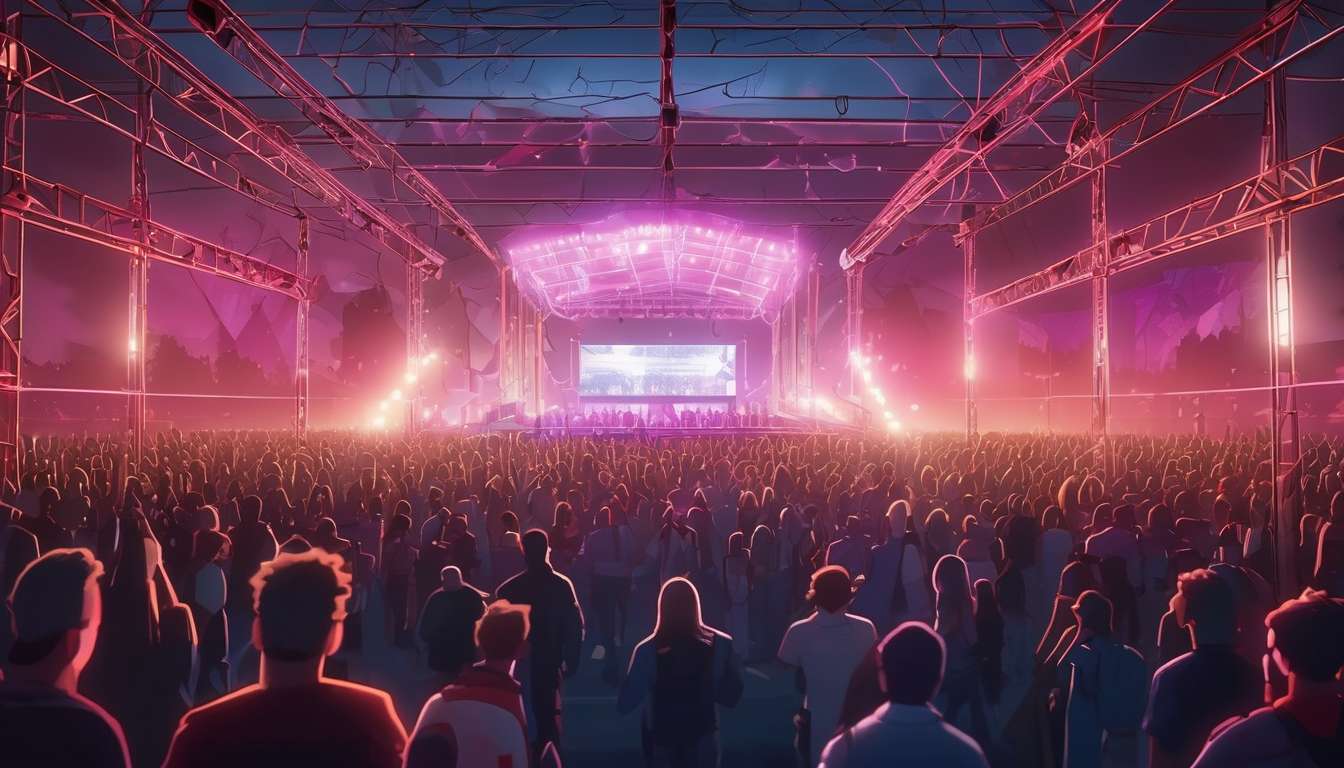
Unguarded moments at crowded venues can turn celebration into crisis—what steps will we take to ensure our live dance events are safe, enjoyable, and resilient?
As organizers, operators, and stewards of shared spaces, we must ask how our policies align with real-world risks: crowd flow, sound levels that obscure warnings, lighting that hides hazards, and backstage practices that protect performers and crew.
This guide compels us to examine key areas of venue safety and operations:
- Venue layouts and capacity management
- Staff training and role clarity
- Emergency communication and incident reporting
- Accessible egress and crowd flow design
- Sound, lighting, and visibility controls
- Backstage protocols for performers and crew
- Equitable enforcement of rules and audience welfare options (e.g., sober spaces)
We will balance regulatory compliance with practical tactics, including:
- Capacity management and monitoring to prevent overcrowding.
- Clearly marked, unobstructed exits and accessible egress routes.
- Sound-level policies and systems that allow warnings and announcements to be heard.
- Lighting strategies that reduce hazards without compromising production value.
- Trained on-site staff and volunteers with defined roles for crowd control and emergencies.
- Backstage safety procedures for rigging, pyrotechnics, and load-in/load-out operations.
- Provision of harm-reduction services such as sober spaces, hydration stations, and medical aid.
- Transparent incident reporting systems and post-event reviews to drive continuous improvement.
Grounding tactics in evidence and community practice is critical: employ case studies, industry standards, and after-action reviews to inform policies and adapt them over time.
By approaching safety as a collaborative, evolving responsibility, we create environments where audiences dance freely and return confidently, knowing every policy was designed with care, clarity, and community welfare at its core.
Capacity and Layout Controls
We set clear capacity limits and arrange layouts to keep people safely distanced and maintain smooth movement.
We design seating, standing, and circulation zones so everyone feels included and can move without jostling.
- This protects wellbeing and supports harm reduction by reducing accidental injuries and overcrowding.
We mark pathways and spacing visibly, so attendees know where they belong and how to navigate the space confidently.
We pair these controls with focused staff training so team members can monitor occupancy, intervene early, and assist guests with warmth and respect.
- Training emphasizes de-escalation, nonjudgmental support, and clear use of occupancy-monitoring tools.
We schedule staggered entry and exit times when needed, and we use simple communication — signs, announcements, and staff direction — to reinforce guidelines without alienating anyone.
- Communication should be concise, friendly, and accessible (visual + auditory), and repeated at key moments.
We review capacity and layout plans regularly, incorporate feedback from staff and attendees, and update procedures as events evolve.
- Regular reviews include post-event debriefs, crowd-flow observations, and quick adjustments during multi-day events.
By combining deliberate layout choices, ongoing staff training, and a harm reduction mindset, we create safer, more welcoming spaces where people can connect and enjoy the event together.
Crowd Flow Management
Entry, exit, and circulation routes will be designed to keep people moving steadily, reduce bottlenecks, and make it easy to intervene when congestion starts.
We’ll map one-way aisles, visible signage, and holding areas so attendees always know where to go and feel included in a shared, safe experience.
Our plans will center crowd flow as a safety priority, balancing movement with social connection so no one feels isolated or pushed.
Layout will be paired with active harm reduction measures.
- Provide water stations.
- Provide shaded rest spots.
- Maintain accessible routes for those who need them.
Staff training will include de-escalation, spotting, and regular drills.
- Encourage calm, respectful interventions.
- Foster consistent team communication.
We will collect feedback from attendees and staff after events to refine routes and response plans.
By coordinating physical design, policy, and people, we create a welcoming environment where movement is predictable, risks are lower, and everyone can enjoy the event with confidence.
Audio and Announcement Standards
Objective: Establish clear, consistent audio and announcement standards so attendees can hear essential information, follow directions quickly, and feel confident in our communications.
Volume, intelligibility, and placement
- Set target sound levels and intelligibility goals so announcements are audible over venue ambient noise without creating additional discomfort.
- Define speaker placement and coverage zones to ensure messages reach crowded areas (entry points, concourses, main floors) while minimizing overlap and feedback.
Announcement content and cadence
- Make announcements concise, friendly, and actionable.
- Repeat messages at defined intervals during entry, peak times, and exit to support crowd flow and reduce confusion.
- Examples of cadence:
- Entry: welcome + directions to gates/lines every 5–10 minutes.
- Peak: brief reminders (restrooms, water, quietly moving) every 10–20 minutes.
- Exit: stepwise egress instructions and transit reminders every 5–10 minutes.
Standardized scripts and translations
- Design scripts for key scenarios: welcoming, safety reminders, medical-response cues, and evacuation instructions.
- Translate key phrases when possible to include diverse attendees and post concise multilingual prompts.
Staff training and microphone technique
- Train staff on microphone technique, message timing, and calm delivery.
- Include hands-on practice with PA equipment so calls for assistance are clear and effective.
Backup systems and checks
- Schedule regular system checks (pre-event and periodic during event) to verify functionality.
- Maintain backup methods such as battery-powered microphones, wired handsets, and pre-recorded prompts for immediate failover.
Roles, responsibilities, and standard language
- Assign responsibilities for who makes which announcements (e.g., front-line staff, operations center, security).
- Standardize language and timing so attendees recognize predictable signals that build trust and support harm reduction.
Outcome
- By standardizing volume, placement, content, timing, and responsibilities, we create predictable audio signals that improve comprehension, support crowd flow, reduce confusion, and keep everyone moving together safely.
Lighting and Visibility Plans
We’ll establish lighting levels, fixture placement, and signage illumination to ensure attendees can navigate safely, find exits and services quickly, and that staff and security maintain clear lines of sight.
We map primary aisles, entry and exit points, and service zones so illumination supports steady crowd flow and reduces confusion.
We use layered lighting—ambient for general visibility, task for bars and first-aid, and accent for wayfinding—balancing brightness with the atmosphere so everyone feels welcome.
We prioritize emergency backup lighting tied to exit signs and low-level pathway lights to guide movement during disruptions.
We coordinate with harm reduction measures by ensuring visibility around hydration stations, chill-out areas, and medical posts so people can access help without stigma.
We standardize signage contrast and placement so newcomers and regulars alike can orient quickly.
We document fixture schedules and maintenance checks and integrate findings into staff training protocols, creating shared responsibility and confidence among our team and attendees.
Staff Roles and Training
Define clear roles, responsibilities, and escalation paths for every team member so everyone knows what to do in routine operations and emergencies.
Assign specific positions with duties tied to crowd flow monitoring, incident reporting, and communication:
- Front-of-house — manage entry procedures, ticketing, and initial crowd flow.
- Security — oversee venue safety, monitor for threats, and coordinate with floor managers.
- Medical liaisons — provide first-response care, assess injuries or medical needs, and call EMS if required.
- Floor managers — monitor capacity, coordinate staff on the floor, and oversee incident response.
Establish escalation criteria and rehearse them so staff know when to escalate to supervisors or emergency services:
- Define clear thresholds for supervisor escalation (e.g., capacity breaches, fights, escalating intoxication).
- Define clear thresholds for emergency services (e.g., unconscious patron, severe injury, fire).
- Rehearse escalation steps in drills until responses become second nature.
Create shared checklists and briefings that reinforce who does what during entry, peak capacity, and exit.
- Use concise, role-specific checklists for each shift phase.
- Hold briefings before doors open and at key transition points (e.g., peak hours, closing).
Focus staff training on practical, inclusive skills: de-escalation, basic first aid, accessibility awareness, and harm reduction tailored to dance events.
- Train staff in trauma-informed communication and nonviolent crisis intervention.
- Provide basic first-aid and overdose response (e.g., naloxone use) where legal and appropriate.
- Include accessibility awareness and accommodations for patrons with mobility, sensory, or cognitive needs.
- Teach harm-reduction practices specific to the scene (hydration stations, cooling areas, sober zones).
Encourage peer support, regular feedback, and refreshers to maintain skills and morale.
- Implement a peer-support system so staff can debrief after incidents.
- Collect regular feedback and incorporate lessons learned into procedures.
- Schedule refreshers before high-attendance nights and after incidents to update skills and capture improvements.
Investing in consistent staff training and clear role definitions builds a confident team that keeps the community safe, respected, and connected while enjoying live dance experiences.
Backstage Safety Protocols
Access controls and wayfinding
We set up clear badges and sign-in points to control who enters backstage, and we post visible maps so everyone knows where to go.
Keep pathways free to support smooth crowd flow and quick movement during load‑in, set changes, and emergencies.
Equipment checks and pre-show inspections
We schedule regular equipment checks and quick pre-show walk‑throughs to catch hazards.
Log corrective actions so accountability is is shared and issues are tracked to completion.
Emergency procedures and communications
We make emergency procedures simple and practiced: designated exits, radios with channel backups, and rehearsed evacuation roles that include checking for colleagues who may need assistance.
Practice drills regularly so responses are fast and familiar.
Staff training and culture
We train staff in mutual support, conflict de‑escalation, and scenario drills that build confidence and belonging.
Document lessons learned after each event and update protocols together so improvements are shared.
Coordination with harm‑reduction and support services
While operational safety is kept distinct from dedicated harm‑reduction services, we coordinate with those programs for clear referrals and communications.
Maintain a backstage culture where everyone looks out for one another and can do their work with trust and competence.
Harm-Reduction Services
We partner with onsite and offsite harm-reduction programs to provide clear, confidential support, supplies, and referral pathways for attendees who need them.
We create welcoming stations where trained volunteers and professionals offer:
- water
- naloxone
- wound care supplies
- quiet spaces for recovery
This harm-reduction approach treats everyone with dignity and keeps the community safe.
We coordinate with security and operations to maintain safe crowd flow, ensuring that help is reachable without disrupting the experience.
Staff training emphasizes:
- de-escalation
- nonjudgmental communication
- practical skills like naloxone administration and overdose recognition
We run joint drills with partners so responses are swift and consistent.
We display accessible information about local health services and referral options so attendees can connect after events.
By integrating harm reduction into policy, training, and layout planning we build trust and belonging, reduce risk, and support people in ways that respect autonomy and promote sustained wellbeing.
Reporting and After-Action Reviews
We document every incident and response promptly, then analyze what happened to improve future safety and care.
Immediate notes capture:
- time
- location
- crowd flow patterns
- actions taken
- any medical or security interventions
We keep reports clear, factual, and accessible so everyone involved — staff, volunteers, and regulars — feels heard and included.
After incidents, we hold structured after-action reviews with a small, diverse team to identify root causes and practical fixes.
The review focuses on:
- what prevented escalation (harm reduction and wellbeing)
- what can be changed in layout, communication, or staffing
- actionable, practical fixes that are implementable
Reviews feed back into operations by updating:
- staff training
- shift checklists
- floor plans
so lessons become routine.
We share summarized findings with our community in transparent, respectful language, inviting input and reinforcing that safety is a shared responsibility.
By documenting, reviewing, and updating policies together, we build trust and create a venue where everyone can feel they belong and stay safe.
What insurance coverage should venues carry specifically for live dance events (e.g., types and minimum limits), and how do insurance requirements change when booking outside performers or third-party production companies?
Primary insurance venues should carry for live dance events
General liability: Venues should carry commercial general liability with recommended limits of $1–2M per occurrence and $2–4M aggregate.
Liquor liability: If alcohol is sold or served, carry liquor liability (limits should reflect the venue’s exposure and local requirements).
Workers’ compensation: Maintain workers’ compensation as required by law to cover employees and staff working the event.
Additional coverage to consider: Depending on venue size and risk, consider property insurance, event cancellation, equipment inland marine, and cyber or professional liability where applicable.
When outside performers or production companies are involved
Require separate insurance: Outside acts and production companies must carry their own general liability (recommended $1–2M per occurrence) rather than relying solely on the venue’s policy.
Additional insured: Require performers/companies to name the venue as an additional insured on their general liability policy so the venue has direct coverage for claims arising from the contractor’s operations.
Certificates and endorsements: Require a certificate of insurance (COI) plus the actual additional insured endorsement. Verify policy effective dates, limits, and that the endorsement language matches your requirements.
Excess/umbrella liability: Where risk or scale warrants, require excess/umbrella liability to raise limits above the primary policy.
Other contractual protections
Hold harmless/indemnification: Include indemnification clauses in contracts shifting responsibility for claims arising from the performer/production company’s acts.
Proof and verification: Implement a process to collect, review, and store COIs and endorsements before the event, and have a point of contact for insurer verification if needed.
Summary checklist
- Venue policies: General liability ($1–2M/$2–4M), liquor liability (if applicable), workers’ comp.
- For outside vendors: Their own general liability ($1–2M), name venue as additional insured, provide COI + endorsement, excess liability as needed.
- Contractual protections: Indemnity clauses, verification process for COIs/endorsements.
If you’d like, I can draft a sample insurance clause and COI checklist you can add to booking contracts.
How should venues handle legal and privacy concerns around recording attendees (by staff, security, or hired videographers), including signage, consent, and storage/retention of footage?
Recording notifications and consent
We’ll be transparent about recordings: post clear signs at entrances, announce recording at events, and obtain written consent for close-ups or performers.
Restrictions and privacy protections
- Limit who records (authorized personnel only).
- Train staff on privacy and appropriate recording practices.
- Avoid capturing minors without guardian permission.
Secure storage and access control
- Store footage securely.
- Restrict access to authorized personnel.
- Encrypt transfers of footage.
Retention and deletion
- Keep retention periods short with a documented deletion schedule.
- Respond promptly to access or deletion requests.
Policy review
- Review policies regularly to ensure ongoing compliance and appropriate practices.
What are best practices for coordinating with local emergency services (police, fire, EMS) before high-attendance dance events, including notification, walkthroughs, and prearranged access points?
We will contact local police, fire, and EMS early, share event details, and invite them for walkthroughs so they know layout and hazards.
We will set prearranged access routes, staging areas, and clear signage for emergency responders.
We will exchange contact lists, confirm radio channels, and review crowd capacity and evacuation plans together.
We will run a brief joint tabletop or drill, document agreements, and stay connected during the event for rapid coordination.
Conclusion
You’ve now got a compact roadmap for running safer live dance events.
By controlling capacity and layout, you reduce overcrowding and ensure emergency access is preserved.
Managing crowd flow helps prevent bottlenecks and minimizes the chance of crushes or falls.
Maintaining clear audio and lighting ensures patrons can hear safety announcements and see exits and signage.
Training staff on defined roles and backstage protocols enables faster, coordinated responses when incidents arise.
Incorporate harm-reduction services (medical aid, hydration stations, chill-out areas) to reduce acute harms and support vulnerable patrons.
Encourage reporting of hazards or incidents so problems are addressed quickly and patterns are identified.
Conduct after-action reviews to capture lessons learned and refine policies and procedures.
Keep improving: these practices protect patrons, performers, and staff so your events stay vibrant and sustainable.