
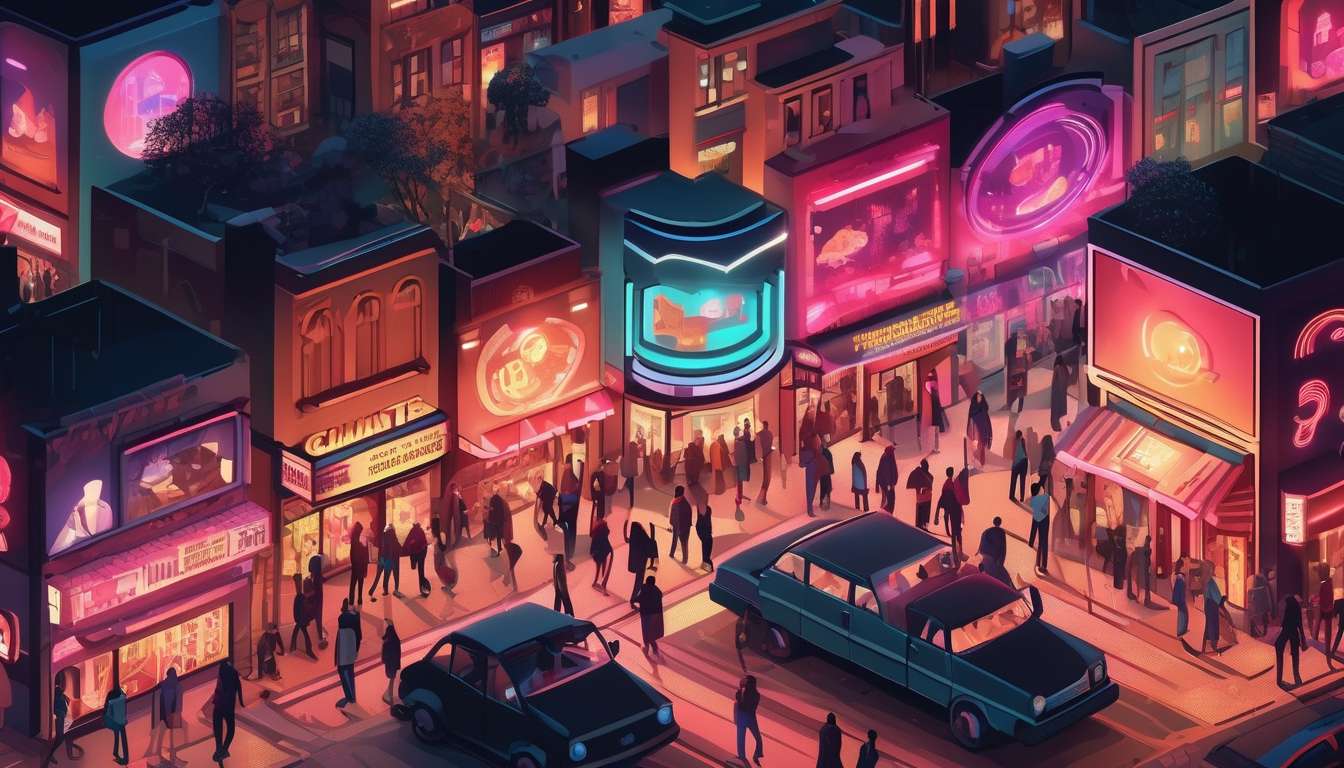
Perhaps the layout of an upscale cocktail lounge and the signage of an exotic dancing venue now belong to the same conversation.
We trace connections between lighting design, soundscapes, and social expectations as audience research uncovers shifting tastes in places once considered apart.
Patrons increasingly ask for:
- Polished aesthetics alongside authenticity.
- Safety measures paired with spontaneous performances.
- Digital booking tools integrated with sensual, live experiences.
As researchers and observers, we map how demographics, cultural shifts, and nightlife economies reshape audience desires:
- Inclusivity without erasing mystique.
- Community without sacrificing anonymity.
- Entertainment that feels both curated and immediate.
Venues respond by rebranding, redesigning, and reimagining services to align with these layered expectations.
Our research synthesizes interviews, attendance data, and on-site observation to reveal not only preferences but the underlying values driving change in exotic dancing spaces and the broader night-time economy.
Changing Patron Profiles
We’re seeing a noticeable shift in patrons’ demographics and motivations.
Key change: audiences are younger, more diverse, and digitally connected, replacing many traditional regulars.
Evidence: this shift shows up in both data and observed movement through space — demographics skew younger, are more gender-fluid, and favor shared experiences over solitary rituals.
Action: acknowledge and plan for these new patterns in programming and outreach.
We’re adapting venue design to welcome these groups.
Design changes include:
- Flexible seating to support groups and changing needs.
- Clearer sightlines so performances and interactions feel accessible.
- Quieter social nooks that invite connection without excluding others.
Goal: create spaces that feel inclusive, comfortable, and adaptable.
We’re updating safety and access protocols to match expectations.
Safety measures include:
- Visible staff presence to reassure patrons.
- Discreet reporting channels for incidents or concerns.
- Tech-enabled check-ins designed to be respectful rather than intrusive.
Principle: safety should feel supportive, not surveillant.
We’re balancing atmosphere with predictable boundaries.
Insight: belonging comes from predictable boundaries as much as from aesthetics.
Practice: combine playful, welcoming atmospheres with consistent rules that are clearly communicated and understood by everyone.
We’re using feedback and data to iterate operations.
Process: listen to patron feedback, track patterns, and adjust policies and workflows accordingly.
Outcome: patrons feel seen, safe, and more likely to return.
Our commitment: make spaces where diverse visitors can relax, meet others, and return because the environment both affirms their presence and protects their well-being.
Design Meets Desire
We’ll align physical layout, programming, and sensory details so the space not only looks enticing but actually responds to what patrons want and how they move.
We design with intent:
- Modular seating for groups and solo visitors.
- Clear sightlines.
- Flexible stages that match varied tastes drawn from audience demographics.
We’ll use materials and lighting that feel welcoming without alienating newcomers, creating corners for intimacy and open areas for communal energy.
We’ll center safety protocols as part of caring design — discreet staff stations, clear exits, and visible cues that let everyone relax.
We want people to recognize themselves here, so we gather feedback, adapt floor plans, and rotate programming to reflect changing needs.
We’ll invite patrons into the process, making adjustments that respect privacy and encourage connection.
Thoughtful venue design paired with transparent safety practices helps us build a place where diverse communities feel seen, safe, and eager to return.
Sound and Sensory Play
We balance bass, treble, and tactile cues so music, movement, and atmosphere work together to heighten comfort and excitement without overwhelming anyone.
We design soundscapes that respect varied audience demographics, blending rhythms and levels that invite connection rather than shock.
We place speakers, lighting, and tactile elements to create zones — energetic stages, calm lounges, and transitional pathways — so people can choose intensity.
We listen to patrons and performers and adjust audio and seating by tuning equalization, sub-bass presence, and haptic seating so sound supports performance and socializing.
We layer sensory elements thoughtfully, using:
- subtle scent,
- textured surfaces,
- controlled vibration
to enhance presence and belonging without causing sensory overload.
We document preferences and incidents and follow safety protocols to ensure accessibility and predictable experiences.
We make sensory design intentional and inclusive so everyone can participate comfortably, discover shared rhythms, and feel that the venue’s atmosphere is tuned to their needs.
Safety as Experience
We treat safety as part of the overall experience.
We design visibility, staff presence, and clear wayfinding so people feel secure without sacrificing warmth or agency.
We center belonging by listening to audience demographics.
We create environments where everyone recognizes themselves, including:
- sight lines that reduce blind spots,
- seating clusters that invite connection,
- signage that’s welcoming and readable for diverse ages and identities.
We train teams in transparent, consistently applied safety protocols.
Staff are briefed to intervene calmly, de-escalate, and support patrons without drawing attention.
We balance surveillance and privacy.
We prefer lighting and staff positioning over intrusive monitoring to maintain dignity.
We build feedback loops for anonymous reporting and visible action.
Guests can report concerns anonymously and see that we act, reinforcing trust across different audience demographics.
We measure and iterate.
We use comfort surveys and incident follow-ups to inform responsive changes to venue design and protocols, because safety as experience is ongoing care — it’s how we show we value every person who enters our space.
Digital Booking Trends
We’re tracking how online reservations, dynamic pricing, and mobile-first interfaces are reshaping discovery, booking, and repeat visits to exotic dancing venues.
Digital tools enable tailored offers for shifting audience demographics.
- Targeted promotions and segmented messaging help groups feel seen and welcomed before arrival.
- Preference-driven pricing and package options increase perceived value and relevance.
Thoughtful booking flows that mirror venue design build confidence and inclusion.
- Clear seating maps show sightlines and proximity to performers.
- Accessibility indicators (ramps, ADA seating, restroom details) remove uncertainty for guests with mobility needs.
- Atmosphere previews (photos, short clips, lighting and music descriptions) set expectations and reduce no-shows.
Safety and comfort are integrated into the booking experience.
- Visible capacity limits and vetted performer schedules communicate operational transparency.
- Options for private or semi-private tables let guests choose comfort levels.
- Clear policies (cancellation, age verification, behavioral expectations) reduce friction and misunderstandings.
Simple preference profiles make return visits effortless and welcoming.
- Guests can save seating choices, music or performance preferences, and accessibility needs.
- Returning customers skip repetitive forms and find familiar touches that foster belonging.
Analytics align promotions with real demand while preserving inclusivity.
- Data-driven timing and targeting minimize wasted offers and overbooking.
- Monitoring engagement across new and repeat guests prevents marketing that unintentionally isolates newcomers.
Intuitive, communicative interfaces create stronger first impressions and encourage repeat visits.
- Keep flows short and mobile-optimized to reduce drop-off.
- Communicate expectations clearly at each step to build trust.
- Use microcopy and visuals to reinforce community standards and respect for diverse audiences.
Bottom line: digital booking is more than convenience — it’s a tool to reinforce safety, inclusivity, and community, making arrival feel like coming home.
Balancing Privacy and Community
We’ll explore how to protect individual privacy while cultivating a welcoming community where patrons feel both secure and connected.
Thoughtful venue design creates clear private zones.
- Rest areas, discrete entry points, and sound buffering let people relax without feeling exposed.
- Design should physically separate quiet/solo spaces from active social areas.
Shared spaces should encourage conversation and belonging.
- Use lighting, seating clusters, and signage to invite respectful interaction.
- Arrange sightlines and flow so groups can form naturally without crowding private zones.
Decisions must be based on audience demographics.
- Listen to varied age groups, identities, and comfort levels to balance openness with discretion.
- Tailor space types and programming to the community you serve.
Implement transparent safety protocols.
- Staff training, visible yet unobtrusive security presence, and confidential incident reporting ensure standards are enforced without policing social warmth.
- Make enforcement procedures consistent and clearly understood by staff.
Communicate privacy practices clearly.
- Provide information at booking and arrival to reassure newcomers and regulars alike.
- Use signage and staff interactions to explain how private and shared spaces are intended to be used.
By combining thoughtful physical layout, demographic insight, and consistent safety protocols, we build environments where privacy and community coexist, letting patrons feel both sheltered and included.
Inclusive Programming Strategies
Goal: Develop programming that invites diverse identities, abilities, and comfort levels by offering varied event formats, clear accessibility options, and intentionally inclusive themes.
Balanced calendar:
- Create a schedule that alternates quiet, participatory, and high-energy nights so people can choose how they engage.
- Rotate nights for different communities and age ranges while keeping core values of respect and belonging.
Venue design aligned with programming:
- Tiered seating for improved sightlines.
- Ramps and clear signage for mobility access.
- Flexible lighting and sound zones to respect sensory needs.
Audience-informed offerings:
- Base programming on audience demographics research.
- Use rotating themes and nights to reflect different community interests.
Transparent safety protocols:
- Publish staff training standards and incident-reporting procedures.
- Share consensual-code reminders and expectations so attendees feel secure and empowered.
Community input and compensation:
- Invite feedback through surveys and advisory nights.
- Compensate contributors and adjust programs responsively.
Ongoing monitoring and refinement:
- Track participation and feedback to refine access, themes, and staffing.
- Use data to iterate and improve inclusivity measures.
Principle: By centering dignity and choice in programming, the venue will help diverse people see themselves reflected, feel welcome, and trust that their safety and comfort are prioritized.
Economic Drivers of Change
Several key economic forces are shaping our decisions.
- Rising operating costs, shifting consumer spending, changing labor markets, and regulatory pressures all influence how we plan programming, price tickets, and invest in accessibility.
We’re responding to tighter margins by rethinking venue design.
- We maximize flexible use of space to support multiple event types.
- We reduce energy costs through design and systems choices.
- We create zones that match varied audience demographics so we can host community nights, private events, and fixed-price shows without losing cohesion.
We’re adjusting staffing models and compensation to retain talent and meet legal requirements.
- Changes are made transparently so staff and contractors feel respected.
- Compensation and scheduling reflect both market realities and our commitment to fair treatment.
Ticketing strategies balance affordability with long-term sustainability.
- We use dynamic pricing and membership tiers to welcome newcomers and reward regulars.
- These tools help smooth revenue while keeping access affordable.
We prioritize wellbeing and safety as core operational elements.
- Safety protocols are integrated into operations rather than tacked on.
- This builds trust among performers and patrons.
By aligning economic decisions with our values, we keep the venue viable and the community intact.
How do local zoning laws and licensing requirements specifically affect the types of shows and hours exotic dancing venues can offer?
Local zoning laws and licensing requirements shape what shows we can run and when we can open.
They often restrict locations to specific districts, limit operating hours, and ban certain performances or require minimum distances from schools and churches.
Licensing can demand background checks, security measures, and age verification, which influence staffing and show formats.
We navigate these rules to keep our space safe, compliant, and welcoming for everyone.
What training and professional development opportunities exist for performers who want to transition into management, choreography, or venue ownership?
Career-transition paths: We can find mentorships, business workshops, and certificate programs in hospitality or arts management.
Performer-focused development: We’re joining choreography labs, teaching classes, and attending leadership seminars tailored to performers.
Networking and professional support: We’re networking through industry associations, peer cohorts, and trade conferences that offer legal, financial, and safety training.
Practical business skills and hands-on experience:
- We’re accessing online courses in marketing and bookkeeping.
- We’re seeking apprenticeship or co-ownership arrangements to gain hands-on venue management experience.
How do venues measure and report on their environmental sustainability efforts (energy use, waste reduction, sourcing), and are there industry benchmarks?
We track energy, waste, and sourcing with meters, audits, and supplier records.
We report findings in quarterly sustainability summaries and annual impact reports.
We use KPIs to measure performance, including:
- kWh per seat
- Waste diverted percentage
- Percent local / eco-certified purchases
We benchmark against industry standards and local programs.
- Industry benchmarks from hospitality sustainability networks
- Local green business programs
We share progress openly and set reduction targets.
We invite staff and performers to participate in continuous improvement.
Conclusion
Patron expectations are shifting.
You’re watching a scene that’s clearly changing: patrons now want more than spectacle — they want design that feels personal, sound and sensory cues that enhance mood, and safety that’s seamless, not intrusive.
Booking and browsing move digital, with privacy in mind.
You’ll book and browse digitally, valuing privacy while craving community through inclusive programming.
Economic pressures drive continuous adaptation.
Economic pressures will keep venues adapting, so expect creative, audience-centered spaces that balance desire, dignity, and profitability in the evolving world of exotic dance.